01 / Nov 2026 – Present
Medical communications & regulatory writing
True Sight Medical Writing & Business Development
· Scientist (Contract) · Remote
Contracted to support pharmaceutical regulatory and medical
communications, including clinical and nonclinical documentation,
scientific quality review, and regulatory research.
02 / Sep 2026 – Present
Scientific reasoning & technical evaluation
Mercor · Expert Writer & Reviewer (Contract) · Remote
Develops expert-level technical evaluation tasks and reference
solutions, applying interdisciplinary scientific knowledge to assess
AI model reasoning, accuracy, and problem-solving.
- Reviews technical submissions and evaluation materials, assessing factual accuracy, methodological soundness, completeness, and adherence to task-specific requirements.
- Identifies reasoning errors, technical inaccuracies, and model failure modes, distinguishing unsupported conclusions and incomplete solutions from acceptable variations in approach.
- Documents model-response deficiencies using interdisciplinary scientific judgment, writing clear rationales that support evaluation and comparative assessment of model capabilities.
03 / Jun 2025 – Dec 2025
Digital pathology & biostatistics
Ventana Medical Systems & Roche Tissue Diagnostics
· Scientist (Contract) · Tucson, AZ
Scientific software, biostatistics, and AI evaluation within
Companion Diagnostics R&D, supporting pathologist training on
cancer biomarker detection assays.
Scientific Software & Automation
- Developed a modular, object-oriented image-processing system in Groovy using QuPath, replacing legacy whole-slide image and ROI workflows and reducing processing time from months to hours.
- Owned end-to-end scientific software development and deployment, from requirements gathering and system design through output-quality evaluation, validation planning, internal rollout, and troubleshooting.
- Automated repetitive image-processing and administrative workflows using Python, AutoHotkey, and batch scripts, streamlining image uploads, data labeling, and training-portal configuration.
- Configured customer-facing training portals using XML and managed assessment results with SQL, using HTML, Markdown, and Python for technical documentation and digital training materials.
AI Evaluation
- Compared four workplace AI deployments: a Gemini-powered internal assistant, enterprise Gemini, standard ChatGPT, and enterprise ChatGPT, evaluating differences in responses to scientific and technical queries.
- Evaluated internal AI against company-specific product, project, and protocol questions, assessing whether responses addressed specialized internal research and operational knowledge.
- Prepared a comparative report on AI-system performance and limitations, documenting observed differences across model deployments and domain-specific question answering.
Collaboration & Communication
- Coordinated cross-functional efforts within Companion Diagnostics R&D, working with pathologists, statisticians, scientists, IT, and program management to define requirements and standardize scientific workflows.
- Translated requirements across pathology, scientific, statistical, and technical teams, documenting workflows and evaluating output quality.
- Presented technical briefings to departmental leadership and patent counsel, and delivered software demonstrations and individualized training on system functionality, implementation constraints, and troubleshooting.
Biostatistics & Laboratory Practice
- Applied biostatistics to curate digital pathology image cohorts and design proficiency assessments, supporting customer-facing pathologist training on cancer biomarker detection assays.
- Completed infectious tissue handling and biosafety training, including BSL-2-relevant safety practices and occupational vaccination requirements for access to pathology laboratories, tissue fixation, and specimen-processing facilities.
04 / Apr 2018 – Jun 2025
Genetics & molecular mechanisms
University of Arizona · Scientist (PhD research) ·
Tucson, AZ
Independent research on the enzymatic and regulatory mechanisms
underlying dynamic root growth in Arabidopsis thaliana,
with experiments designed to evaluate system responses across
genotypes, nutrient conditions, and developmental contexts.
Experimental Design
- Designed and executed experimental workflows, including genetic crosses, PCR-based genotyping, specimen preparation, microscopy, data acquisition, troubleshooting, and iterative refinement.
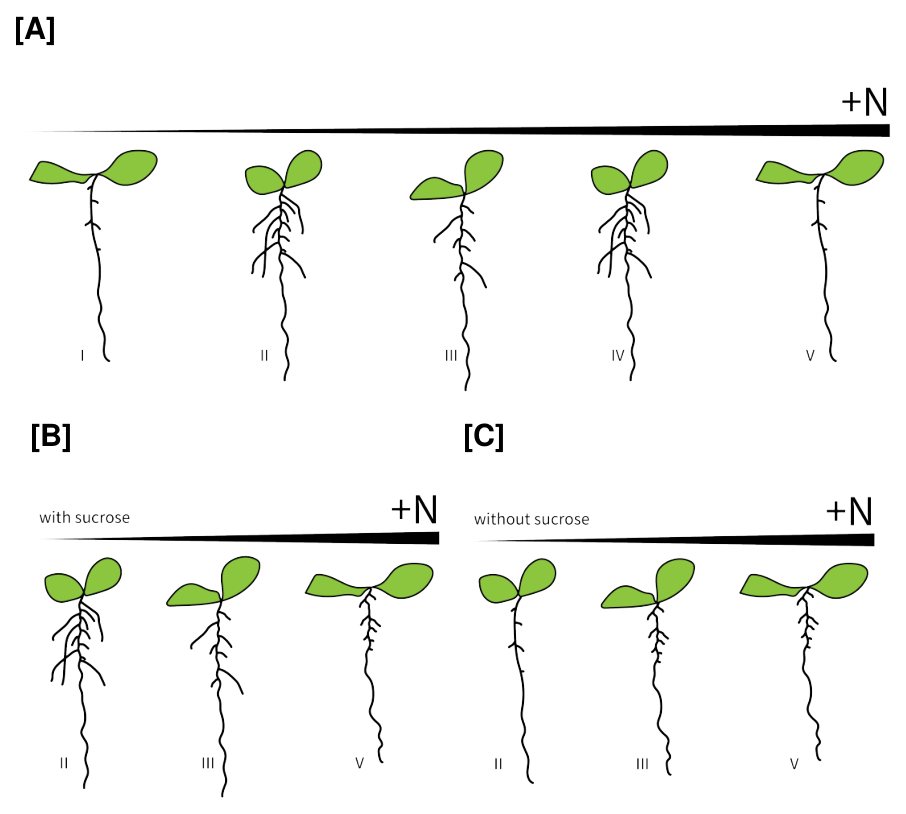
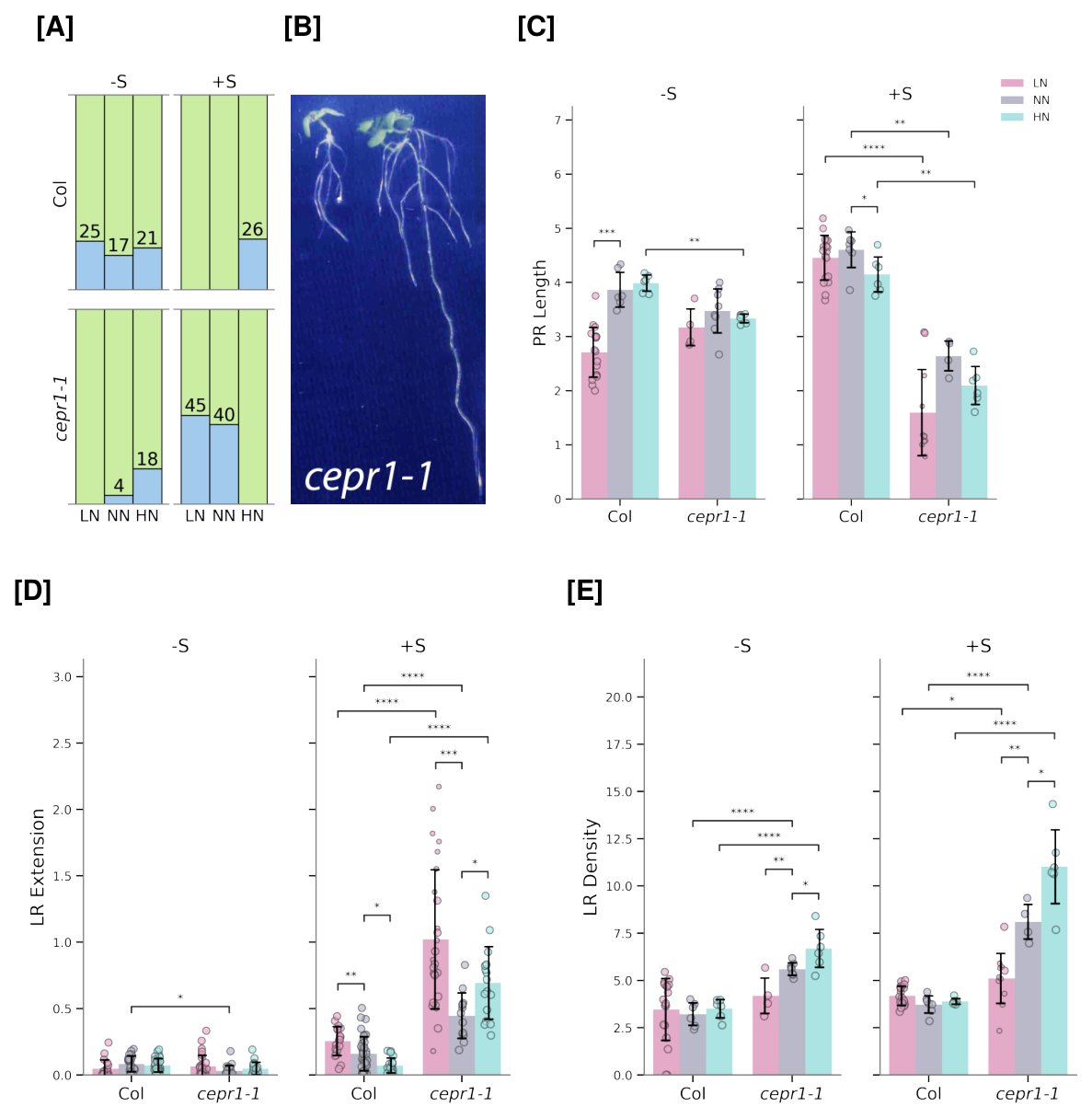
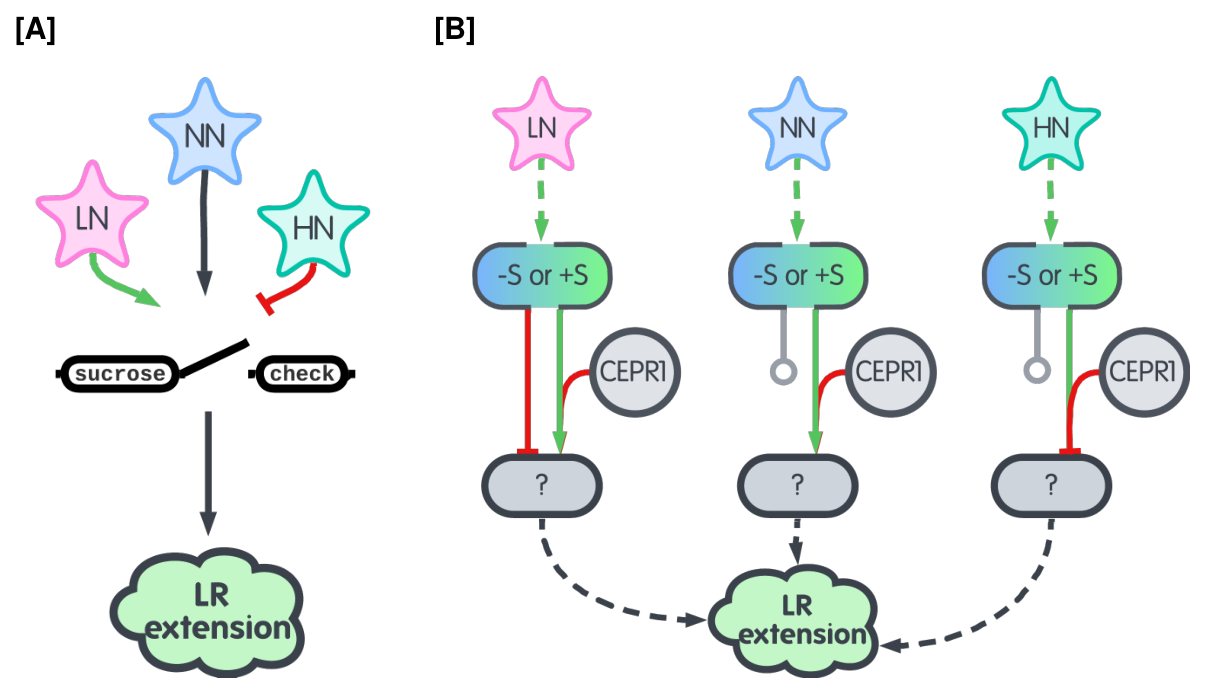
- Designed a six-condition experiment crossing three nitrate levels with two sugar conditions to determine when sugar availability changed the growth response to nitrate.
- Designed genetic experiments to test how candidate protein partners identified in a pull-down contribute to nutrient signaling.
- Managed experimental timing and technical dependencies among biological materials, imaging workflows, and environmental conditions, maintaining reproducibility throughout long-running projects.
Measurement & Statistics
- Developed image-based growth measurements by tracing roots in ImageJ and counting emerged and developing branches under a microscope, normalizing branch counts and lengths to primary root length to distinguish branch initiation from elongation.
- Matched statistical tests to the measurement distributions, using Shapiro–Wilk checks to choose between independent t-tests and Kruskal–Wallis tests for growth comparisons.
- Used k-means clustering to investigate variation within treatment groups, plotting individual measurements in Python to show when a group contained distinct root-length populations.
- Developed analysis pipelines in Python and Jupyter to organize datasets, run statistical analyses, and visualize relationships between genotype, nutrient availability, and growth phenotypes.
Genetics & Mechanism
- Characterized a genetic variant by RT-PCR and long-read sequencing of its cDNA, confirming that it still produced the normal transcript and ruling out complete transcript loss as the explanation for its phenotype.
- Tested whether one variant could compensate for another through a genetic cross and PCR genotyping; none of the 14 surviving offspring carried the two mutant alleles together.
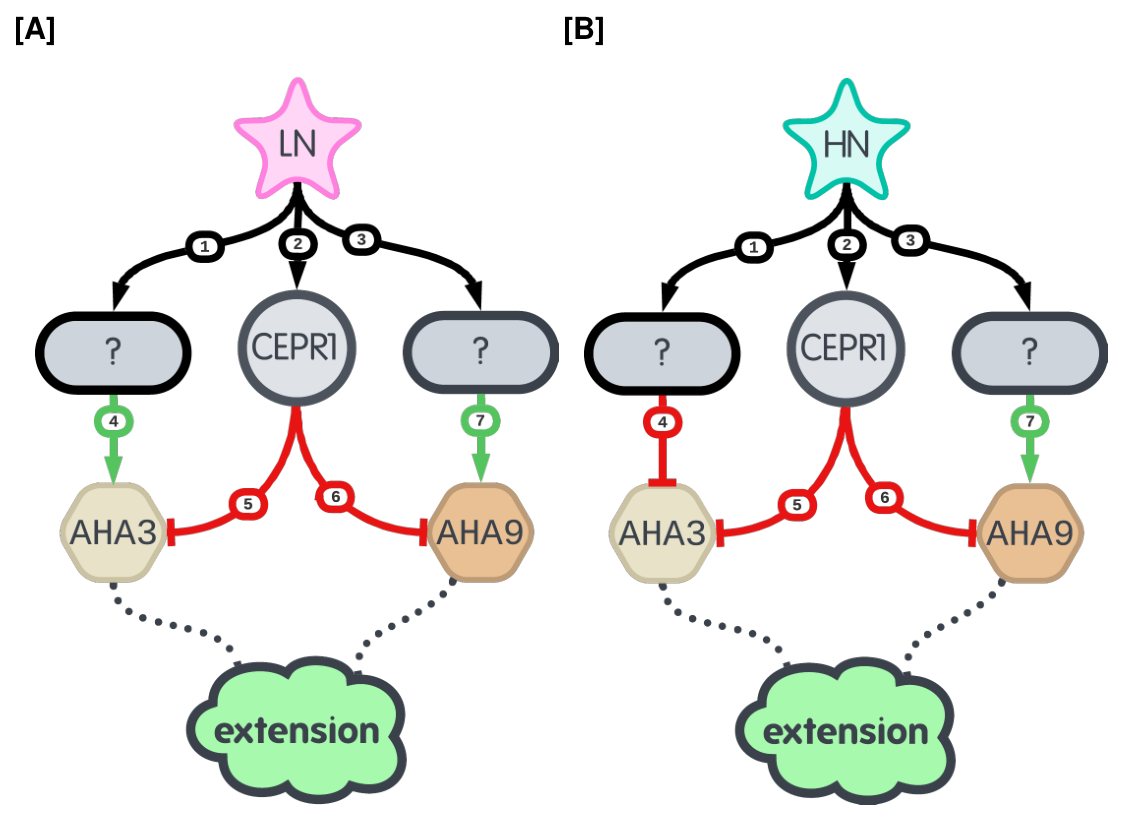
- Compared single and double mutants to map genetic interactions, identifying opposing effects on root branching and proposing a model for how the regulatory proteins respond to nitrate availability.
- Developed a novel mechanistic interaction model from original experimental data, using quantitative reasoning and extensive statistical testing to formulate regulatory relationships consistent with established biological knowledge.
Writing, Teaching & Mentoring
- Independently wrote an original research article and doctoral dissertation, producing all scientific figures, data visualizations, and explanatory diagrams.
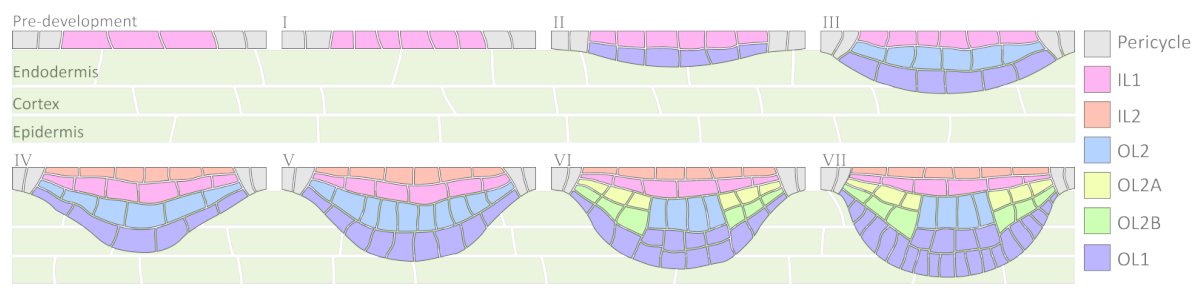
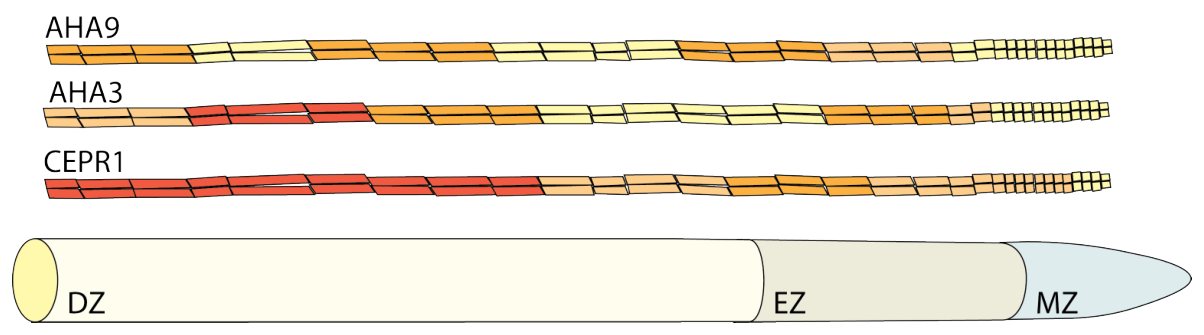
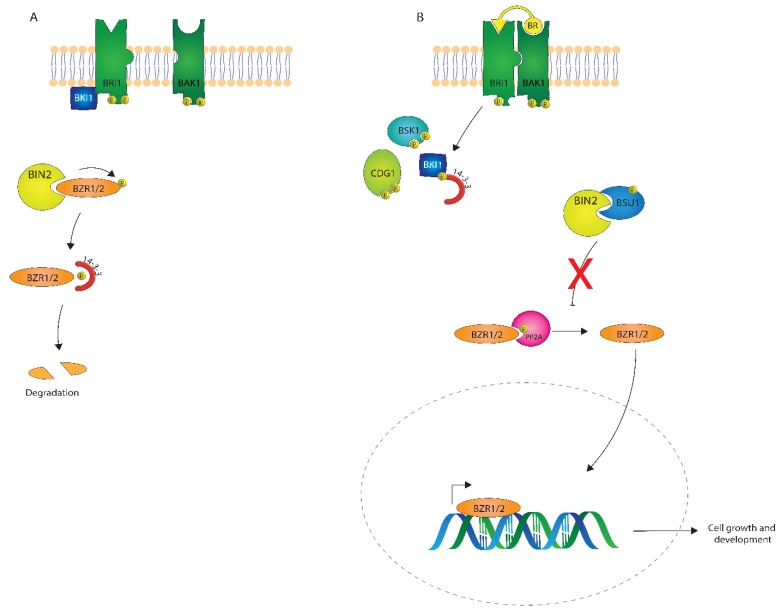
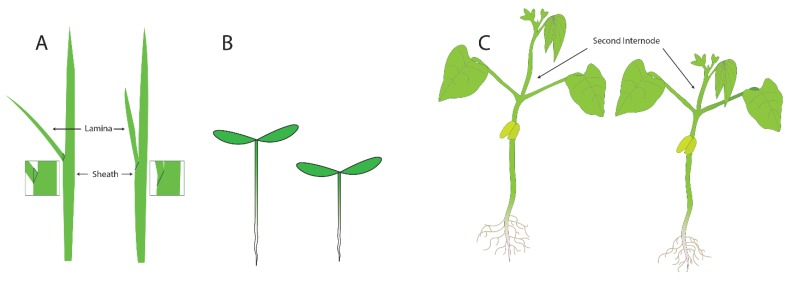
- Coauthored a widely cited review article, contributing primarily through the design and production of scientific figures and diagrams, with additional contributions to later-stage writing and revision.
- Mentored undergraduate and graduate students in experimental design, analytical reasoning, technical execution, and scientific communication.
- Served as a teaching assistant for undergraduate and graduate courses, including introductory biology, and presented at lab meetings and multi-department university events.
05 / Mar 2018 – Apr 2018
Stem cells & neurodegenerative disease
University of Arizona · Scientist · Tucson, AZ
Supported research on cellular aging and neurodegenerative disease
mechanisms, maintaining induced pluripotent stem cell (iPSC)
cultures and animal colonies for studies of biological processes
associated with Parkinson's disease.
- Contributed to behavioral neuroscience research using ultrasonic vocalization analysis, examining mouse vocalization patterns as potential quantitative indicators of neurological function and behavioral phenotypes.
- Assisted in configuring and implementing specialized acoustic analysis software, supporting computational workflows for processing ultrasonic vocalization recordings and evaluating behavioral data.
- Participated in experimental planning and methods development, contributing technical input on study design, behavioral measurement approaches, and integrating software-based analysis into neuroscience workflows.
- Reviewed and presented primary literature on stem cell biology, aging, Parkinson's disease, and neurodegenerative mechanisms to support laboratory research discussions.
06 / Jan 2018 – Mar 2018
Molecular neuroscience & protein biochemistry
University of Arizona · Scientist · Tucson, AZ
Investigated molecular mechanisms relevant to chronic pain and
neurological disease, supporting research on the allosteric
regulation, intracellular trafficking, and functional interactions
of voltage-gated ion channels.
- Performed immunoprecipitation experiments using rat spinal tissue, preparing samples and isolating protein complexes to examine interactions involved in neuronal signaling and ion channel regulation.
- Performed western blotting to assess protein expression, supporting biochemical investigations of protein interactions and neuronal signaling mechanisms.
- Prepared bead-bound proteins, protein eluates, and excised gel bands for mass spectrometry and reviewed the resulting data.
- Contributed experimental evidence to mechanistic studies of neuronal protein regulation, applying biochemical approaches to processes relevant to chronic pain signaling and neurodegeneration.
07 / Oct 2017 – Jan 2018
Cellular signaling & molecular genetics
Arizona Cancer Center · Scientist · Tucson, AZ
Experimental research on cellular growth regulation and
stress-response signaling, using yeast genetic systems to
investigate the molecular circuitry governing adaptation to nutrient
availability and environmental stress.
- Designed and executed cell culture experiments examining relationships between regulatory pathways, cellular growth behavior, and physiological responses to stress and starvation.
- Applied live-cell imaging and fluorescence microscopy to observe dynamic cellular responses and evaluate experimentally induced signaling and growth phenotypes.
- Interpreted observations in the context of cellular regulatory networks, connecting microscopy findings and genetic perturbations to broader questions of growth control and stress adaptation.
- Prepared and delivered scientific presentations for laboratory and departmental audiences on methods, progress, observed phenotypes, and implications for ongoing work.
08 / Aug 2017 – Oct 2017
Cancer cell signaling & genome engineering
Arizona Cancer Center · Scientist · Tucson, AZ
Investigated dynamic signaling mechanisms governing cancer cell
stress responses and fate decisions, examining relationships between
intracellular pathway activity, pharmacological perturbation, and
cellular outcomes.
- Applied CRISPR/Cas9 genome editing to engineer mammalian cell lines, supporting targeted investigation of signaling pathways and the functional consequences of genetic modifications.
- Performed live-cell fluorescence microscopy to characterize FOXO1 nuclear translocation, monitoring changes in subcellular protein localization after AKT inhibitor treatment.
- Analyzed time-series live-cell imaging data to relate intracellular signaling dynamics and protein localization to cellular responses after chemotherapeutic treatment.
- Combined genetic manipulation, pharmacological treatment, and quantitative imaging in experimental workflows investigating signaling regulation and cancer cell fate.
- Presented findings and research progress to laboratory and departmental audiences, covering methods, imaging observations, interpretation, and next experiments.
09 / Nov 2015 – Jun 2017
RNA biology & molecular genetics
Arizona Cancer Center · Research Assistant ·
Tucson, AZ
Molecular and cellular research on RNA regulation and stress
responses, studying the formation, organization, and function of
stress granules and processing bodies (P-bodies) in eukaryotic
cells.
- Performed molecular cloning, bacterial transformation, and yeast cell culture to generate, maintain, and evaluate genetic constructs for studies of RNA–protein interactions and stress responses.
- Applied immunoprecipitation, western blotting, PCR screening, and reverse-transcription PCR to characterize molecular components, evaluate gene expression, and investigate protein- and RNA-associated processes.
- Prepared bead-bound proteins, protein eluates, and excised gel bands for mass spectrometry and reviewed the resulting data.
- Used confocal fluorescence microscopy and quantitative image analysis to examine stress granule formation and intracellular RNA–protein organization under induced stress.
- Collected, organized, and interpreted molecular and microscopy data, relating genetic or biochemical conditions to the formation and behavior of cytoplasmic RNA granules.
- Contributed to mechanistic investigations of post-transcriptional regulation, integrating molecular techniques and imaging to support research on RNA metabolism and adaptive stress responses.
10 / May 2015 – Mar 2016
Behavioral neuroscience & experimental systems
University of Arizona · Research Assistant ·
Tucson, AZ
Supported research on dopaminergic signaling, behavior, and
neurological function, maintaining animal colonies and preparing
resources for studies of motivation, learning, movement, aging, and
neurodegenerative disease.
- Designed and constructed a custom behavioral testing apparatus, integrating mechanical components, programmed control systems, and a novel food-delivery mechanism.
- Led an experimental investigation of ultrasonic vocalizations in rats, examining changes in vocalization frequency after intravenous amphetamine to characterize drug-associated behavioral responses.
- Applied MATLAB-based analysis to neuronal datasets, examining patterns of neural activity and their relationship to dopamine-mediated motivation, learning, and motor control.
- Performed procedures supporting neuroanatomical and histological studies, including rat perfusions and preparation of brain tissue for examination of neuronal structures and pathways.
- Integrated hardware development, behavioral methods, and quantitative analysis to support research requiring coordinated mechanical, computational, and biological workflows.
11 / Aug 2012 – May 2015
Computational neuroscience & neuroengineering
University of Arizona · Research Assistant ·
Tucson, AZ
Contributed to a neural interface between a live dragonfly and a
radio-controlled vehicle, using electrodes in the dragonfly brain to
acquire neural signals for a system intended to detect obstacles and
report their relative positions in real time.
- Performed electrophysiological recordings in live insect preparations, acquiring neural activity data and analyzing recorded signal patterns in MATLAB.
- Proposed and supported expansion into comparative insect neuroscience, establishing and maintaining a praying mantid colony with external subject-matter experts to study additional biological visual-processing models.
- Supported human-subjects EEG research on sleep-related neural activity, analyzing recordings to examine sleep spindle rate frequencies and their potential associations with depression and anxiety.
- Developed participant entry and exit surveys and assisted with IRB documentation, contributing to human-subjects procedures, data collection, and regulatory compliance.
- Prepared and presented research findings from experimental and computational work, communicating methods, results, and interpretation.
12 / Aug 2011 – Dec 2011
Radiocarbon dating & art authentication
University of Arizona · Research Assistant ·
Tucson, AZ
Contributed to an accelerator mass spectrometry (AMS) study of
photographic papers, testing how consistently radiocarbon dating
results agreed across paper types.
- Applied radiocarbon dating training to an art-fraud detection problem: distinguishing vintage photographic prints from later reprints made from the same original negative.
- Contributed to experimental design and troubleshooting, helping plan and refine experiments on the applicability and limits of established radiocarbon methods for modern photographic materials.
- Reviewed scientific literature on radiocarbon dating methods and their relevance to the analysis and authentication of photographic materials.
13 / Jan 2018 – May 2024
Teaching & laboratory instruction
University of Arizona, Department of Molecular
& Cellular Biology · Teaching Assistant · Tucson, AZ
Four teaching assistantships across introductory, upper-division,
and graduate courses, from discussion-based introductory biology to
supervising graduate-level recombinant DNA laboratory work.
Recombinant DNA Methods & Applications
MCB 573 · Graduate · Jan – May 2024
- Supervised graduate-level laboratory instruction, guiding students through recombinant DNA experiments, experimental technique, data collection, troubleshooting, and interpretation.
- Mentored students in experimental reasoning and laboratory practice, giving individualized feedback on technique, analysis, and scientific communication while maintaining laboratory safety standards.
Introduction to Molecular & Cellular Biology
MCB 181R · Undergraduate · Aug – Dec 2023
- Supported active-learning instruction in introductory molecular and cellular biology, giving individualized guidance on challenging concepts, study strategies, and problem solving.
- Contributed to course assessment design, including writing exam questions, creating core content for the final group project, and collecting post-exam student feedback to evaluate learning and course effectiveness.
Molecular Genetics
MCB 304 · Undergraduate · Aug – Dec 2019
- Guided students through genetics problem solving and quantitative reasoning, giving individualized explanations and encouraging multiple approaches to complex molecular-genetics problems.
- Facilitated collaborative learning through in-class problem sets, individualized support, and regular office hours.
Introduction to Molecular & Cellular Biology
MCB 181R · Undergraduate · Jan – May 2018
- Supported discussion-based introductory biology instruction, answering student questions, clarifying molecular and cellular biology concepts, and facilitating collaborative problem solving during class activities.